Drop Culture in a Cup: How Japan's Konbini Turned Fountain Soda Into Sneakerheads' Favorite Beverage
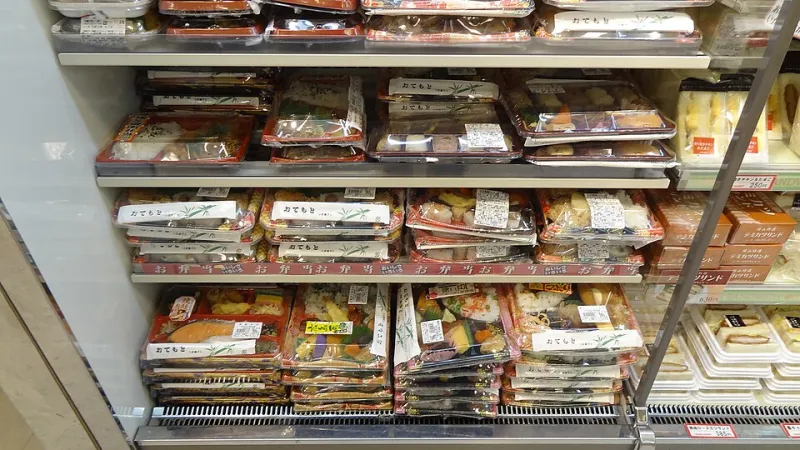
Photo: Martin Lewison, CC BY-SA 2.0, via Wikimedia Commons
There's a specific kind of heartbreak that happens at a Japanese 7-Eleven. You walk in for a bottle of water and walk out with a sakura-flavored something-or-other that will never exist again after this season. You didn't choose it. The machine chose you.
Welcome to konbini drink culture, where the fountain machine and the refrigerator case operate on a logic closer to Supreme drops than to beverage retail. Flavors launch, trend, and vanish. Nobody tells you when. That's the whole point.
The Vending Machine as Time-Limited Art Show
Most American convenience stores treat drinks like inventory: the same twenty options, forever, in the same order, forever. It's a shelf. It's fine. Nobody's excited.
Japanese konbini treat the beverage case like a rotating gallery. Seasonal sake lattes show up in spring and disappear before you've formed an attachment. Summer brings a wave of shikuwasa lime and shaved-ice-adjacent sodas. Fall? Sweet potato everything. Winter? Hot corn soup in a can, which sounds like a war crime and tastes like a hug.
The gum syrup sodas — those retro-flavored ramune-adjacent drinks built on old-school Japanese syrup traditions — are the purest example. They drop in limited runs, often tied to a region, a season, or a collab you didn't see coming. Buy it now or explain to your group chat later why you missed it.
This isn't accidental. It's a retail philosophy.
Scarcity Is the Flavor
Here's the uncomfortable truth the American beverage industry is slowly chewing on: the drink itself is maybe half the product. The other half is the story you get to tell about acquiring it.
Gen Z figured this out years ago with sneakers, with Stanley cups, with literally anything branded as a "drop." Japan just applied the model to a 150-yen soda, and it works because the stakes are low. FOMO over a $12 latte is cringe. FOMO over a limited yuzu cream soda? That's just Tuesday.
The rotation also does something psychologically clever: it turns a routine errand into a treasure hunt. You don't go to the konbini knowing what you want. You go to find out what's new. Every visit is a slot pull. Compare that to the American gas fountain machine, where the only surprise is which slushie flavors have been discontinued since the Obama administration.
Starbucks Is Taking Notes (and So Is Everyone Else)
You can already see the playbook migrating west. Seasonal menus at US chains have gotten more aggressive — the pumpkin spice industrial complex was just the opening act. Now we've got chains leaking "secret menu" items on TikTok, regional exclusives, limited-run energy drink flavors that sell out in hours and hit resale sites at triple price.
The difference is commitment. Japanese konbini rotate constantly and unapologetically. American chains tease scarcity but hedge — they bring the item back "by popular demand" because some VP is scared of lost revenue. But scarcity that gets reversed isn't scarcity. It's a coupon.
The konbini model also wins because it's decentralized and weird. A regional 7-Eleven in Kyushu might carry something a Tokyo store never sees. That inconsistency is a feature. It makes travel a beverage quest and fuels the exact kind of social media content — "rare konbini drink tier list" — that markets the products for free.
What It Says About How We Shop Now
Zoom out and this is really about a generational shift: younger shoppers in both countries increasingly buy moments, not products. A drink you can get any day is invisible. A drink that exists for six weeks is an event, a photo, a memory, a personality trait.
There's a counterargument, obviously. Constant rotation means waste, means packaging churn, means some flavors deserve to die and thankfully do. The novelty treadmill can't be the entire economy.
But standing in a Japanese konbini at 11 p.m., staring at a fridge full of flavors you've never seen and may never see again, you understand something American retail keeps forgetting: boredom is the most expensive thing on the shelf. The stores that win are the ones that make the routine errand feel like it might surprise you.
Your local gas station has had the same four slushie flavors since 2019. Japan's 7-Eleven has a sake latte that dies next week. Guess which one has a fanbase.