Nashville's Best Guitar Store Is a Backstreet in Osaka — And It's Breaking the American Collector's Brain
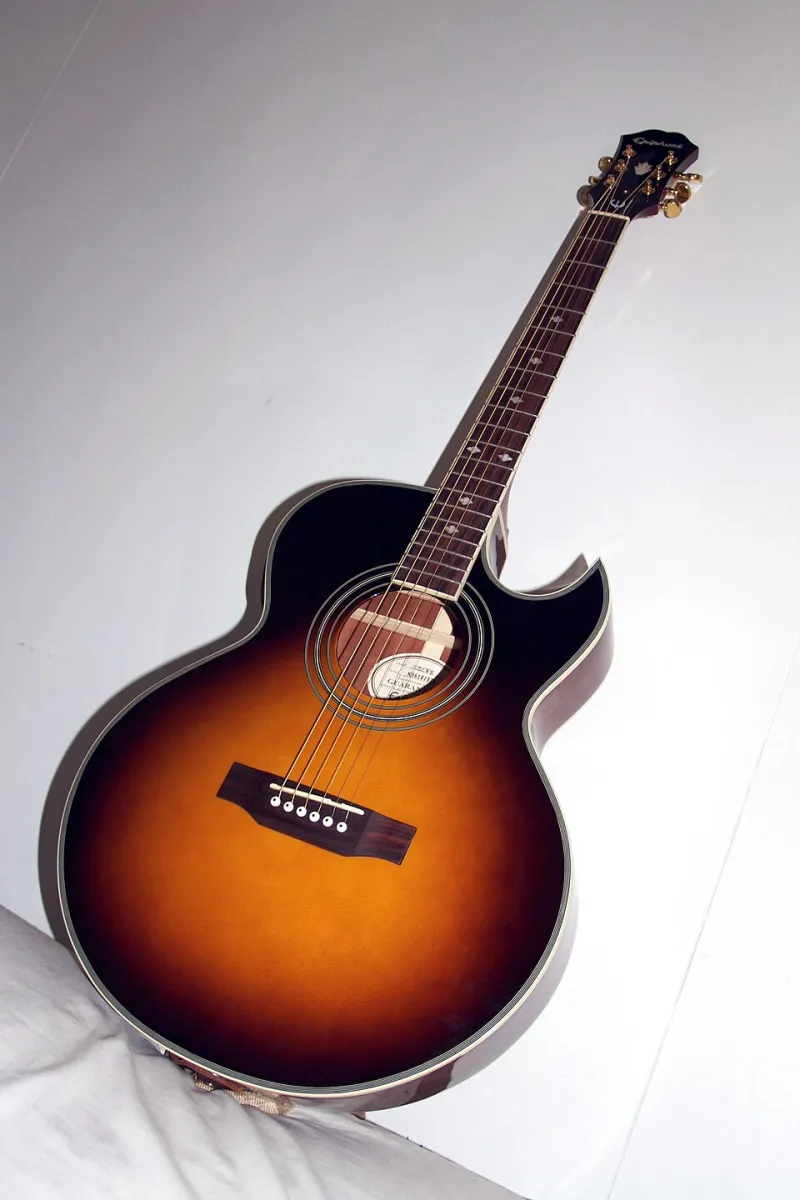
Photo: Joshu∆ Byrd, CC BY 2.0, via Wikimedia Commons
There's a moment that happens to every American guitarist who types 'vintage Les Paul' into the Japanese secondhand marketplace for the first time. They see the price. They close the tab. They reopen it. The price is still there.
$900. For a guitar that would run five figures stateside.
That moment of cognitive dissonance is quietly becoming a movement. Bedroom players, session musicians, and full-on gear hoarders across the US are rerouting their gas money through Japan's used instrument economy — shops like Ishibashi's Kurosawa Gakki division, HTC, and the endless narrow storefronts of Osaka's Namba and Tokyo's Ochanomizu — where vintage guitars, synths, and pedals sell for a fraction of what American collectors have trained themselves to pay.
The Math That Doesn't Add Up (Until It Does)
Let's talk numbers, because that's where the obsession starts. A mid-'70s Fender Stratocaster in good condition routinely lists for $2,500 to $4,000 on Reverb. The same guitar, from a Japanese dealer with better photos and a condition report that reads like a museum appraisal, often lands between $900 and $1,400. Vintage Roland synths — the Juno-106s and SH-101s that synthfluencers have pumped into the stratosphere — follow the same pattern. Even effects pedals, the most portable and therefore most-shipped category, undercut US pricing by 40 to 60 percent once you do the yen conversion.
Buyers initially assume it's a scam. A listing error. A replica. Then the box arrives, the guitar is better than described, and the scam assumption curdles into something else entirely: the realization that the American collector market is the one running a scam — on itself.
Why Japanese Sellers Treat Guitars Like National Treasures
The condition gap is the part that breaks people. US buyers open the case expecting the usual: buckle rash, finish checking, a mystery smell. Instead they find instruments that look like they were played once, photographed, and returned to a humidity-controlled vault.
It's not an accident. Japan's used-gear economy runs on a set of cultural and commercial incentives that barely exist in the US. First, there's the consignment culture — shops like HTC often sell on behalf of original owners, and an instrument that leaves in immaculate condition is a shop's reputation in physical form. Second, there's the grading system itself. Japanese retailers use standardized condition scales that are brutally honest, and a 'B' grade in Osaka frequently equals an 'Excellent' in a US listing. Third — and this is the part collectors find genuinely humbling — Japanese players historically took care of their gear. Owning an instrument was often a serious, almost formal pursuit, and the resale market rewards that seriousness with prices that reflect condition, not just age.
The result: a 40-year-old guitar with the original case, hangtag, and a fretboard that's barely been fretted. American buyers post unboxing photos online like they're showing off a rescued painting.
The Trade Route: Namba to Nashville
Follow the logistics and it starts to look like a supply chain somebody should write a business school case about. A player in Tennessee finds a listing on a Japanese shop's site, many of which now ship internationally or operate through proxy services. The shop packs the instrument the way Japanese retailers pack everything — absurdly, defensively, with more cardboard than seems legal. EMS or DHL moves it across the Pacific in under a week. Import duties on guitars into the US are minimal to nonexistent. Total shipping, insurance included: often under $150.
Compare that to buying the same guitar domestically, where you're paying a premium for the privilege of a seller's 'vintage vibe' adjectives and a Reverb fee stack on top.
The FOMO is real and it's compounding. Every YouTube unboxing of a mint Japanese-market Telecaster sends another thousand American players down the same rabbit hole. eBay listings restricted to 'ships from Japan' — once assumed to be errors — are now understood as the good stuff, gated behind a border that's easier to cross than ever.
What Happens to the American Collector Market When Everyone Catches On
Here's the uncomfortable question underneath all of this: if a Japanese shop can sell a vintage Strat for $1,100 and make money, what exactly has the US market been charging $3,500 for? The answer is scarcity theater — a collector economy that prices instruments based on what other Americans will pay, not what the guitar is worth to anyone who actually wants to play it.
That gap can't last forever. Arbitrage attracts attention, attention attracts buyers, and prices in Japan are already creeping upward as shops figure out that their best customers now live in Ohio and Texas. Some dealers have started listing with US buyers explicitly in mind, in English, at prices that split the difference.
But for now, the window is still open. The shops are still there — the ones in Namba with guitars stacked floor to ceiling, price tags in yen that feel like a misprint, staff who will play the instrument for you over video call before you commit.
So if you've been eyeing that vintage guitar, that Juno, that discontinued Big Muff: the Japanese used market isn't a secret anymore, but it's still a deal. And deals, as every American collector eventually learns, have expiration dates.
Book the flight or open the tab. Either way, bring a bigger suitcase than you think you need.