From Locker Stigma to Red Carpet Flex: The Untold Rise of America's Anime Pride
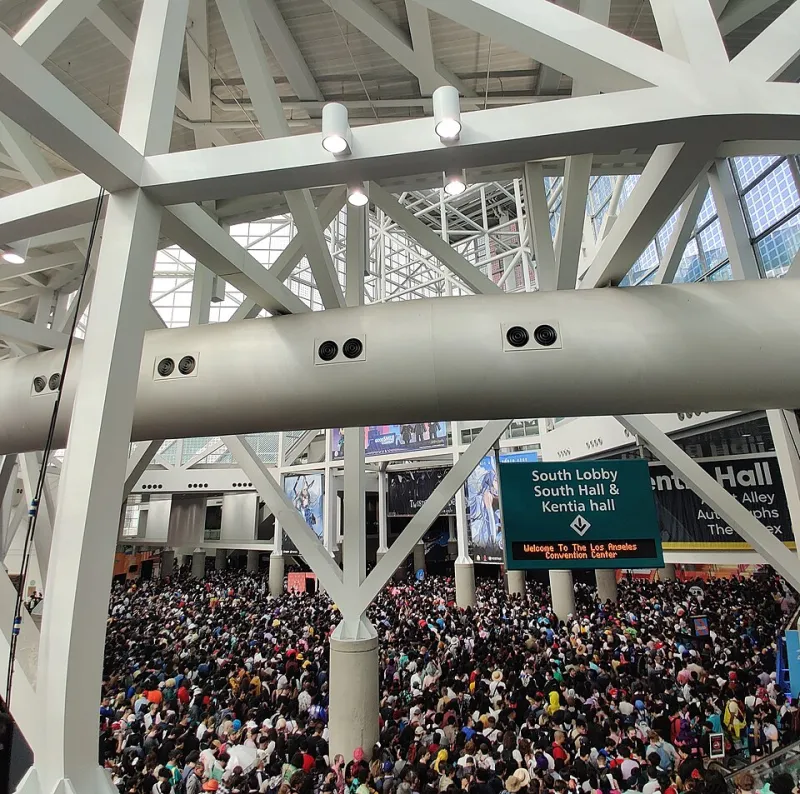
Photo: Jack145945, CC BY-SA 4.0, via Wikimedia Commons
The Confession Era Is Over
Every millennial anime fan remembers the moment they had to hide it. Trading bootleg DVDs in the cafeteria like contraband, wearing a Naruto headband only at home, muttering "subbed over dubbed" in hushed tones like it was a state secret. Being an anime fan in 2005 America meant accepting a specific tax on your social life.
Fast forward to 2024, and Travis Scott is posting Bleach edits on his Instagram story. Megan Thee Stallion is cosplaying on magazine covers. An NBA player gets asked about a playoff loss and responds by explaining how Luffy's journey taught him about perseverance. Nobody blinks. Nobody laughs.
That shift didn't happen by accident. And honestly, it's worth asking how we got here — and what got flattened along the way.
When the Underground Went Over
The turning point wasn't a single moment, but if you had to pick one, it's probably the streaming era. When Crunchyroll started simulcasting episodes hours after they aired in Japan, anime stopped being something you hunted for at FYE or downloaded in sketchy .avi files. It became ambient. It became content.
Then the culture industry caught up. A$AP Rocky name-dropping City Pop and shuffling through Harajuku in his videos. Kanye sampling Japanese tracks. Michael B. Jordan openly building Dragon Ball Z references into his Creed wardrobe. When the coolest people in the room stopped apologizing for the hobby, the room changed.
And then came the trophies. Spirited Away won an Oscar back in 2003 and it barely registered. But when Demon Slayer was breaking box office records during a pandemic and Crunchyroll-backed films started collecting awards season hardware, anime stopped being a niche with a red carpet and started being a red carpet with a niche.
The Athlete Effect
Here's the part that really sealed it: jocks. The exact demographic that used to shove anime kids into lockers is now the demographic citing One Piece in postgame interviews.
Watch an NFL player do a touchdown celebration modeled after a Dragon Ball power-up. Listen to an MLB player talk about his Haikyuu fandom. Check the tunnel cams before any NBA game and count the custom anime fits — not merch, but bespoke designer pieces. When athletic culture, the most traditional arbiter of American cool, adopts your hobby, the stigma doesn't just weaken. It inverts.
Suddenly, anime knowledge became a form of cultural capital. Knowing the difference between a Titan and a curse wasn't nerd trivia anymore. It was fluency in the language everyone wanted to speak.
What We Gained
Let's not be cynical about it — the gains are real. Anime becoming mainstream means better localization, more creators getting paid, more diverse stories getting greenlit. It means a kid in Ohio doesn't have to feel broken for loving something made in Tokyo. It means Japanese artists and studios getting the global audience they always deserved without a gatekeeping middle layer.
It also means the art form gets taken seriously. Critics analyze Attack on Titan alongside The Sopranos now. That's not a downgrade for either.
What Quietly Got Lost
But here's the part of the story the victory lap skips: the weeb was never just a punchline. That awkward, obsessive, deeply uncool kid devouring fansubs at 2 a.m.? They were the ones keeping the culture alive when it wasn't profitable to do so. They ran the forums, translated the manga, made the AMVs that eventually became the aesthetic language of TikTok.
When fandom becomes a flex, it attracts people who want the aesthetic without the depth. Anime merch at fast fashion chains, Demon Slayer filters, the vibe without the volume. There's nothing wrong with new fans — gatekeeping is its own kind of lame — but something shifts when the thing you loved because it was yours becomes everyone's.
There's also the flattening problem. Mainstream America adopted the anime aesthetic faster than the anime ethos. The neon, the fits, the references — sure. The willingness to sit through a 700-episode story about slow transformation? The tolerance for the weird, the slow, the untranslatable? That part doesn't fit in a highlight reel.
The New Normal
So the neckbeard stereotype is dead. Good riddance, honestly — it was always a lazy caricature built to mock people for liking something foreign and earnest. But the funeral deserves some nuance.
The best version of this new era is the one where the old fans and new fans stop ranking each other and just watch the shows. Where anime is neither a guilty secret nor a personality substitute — just art, consumed with the same casual seriousness as any great show from any country.
The weeb went mainstream. The question now is whether mainstream can handle the full weeb — not just the drip, but the devotion.
We'd bet on the shows. They've outlasted worse.