Plastic Love in a American Bedroom: How 1980s Tokyo Conquered Gen Z's Headphones
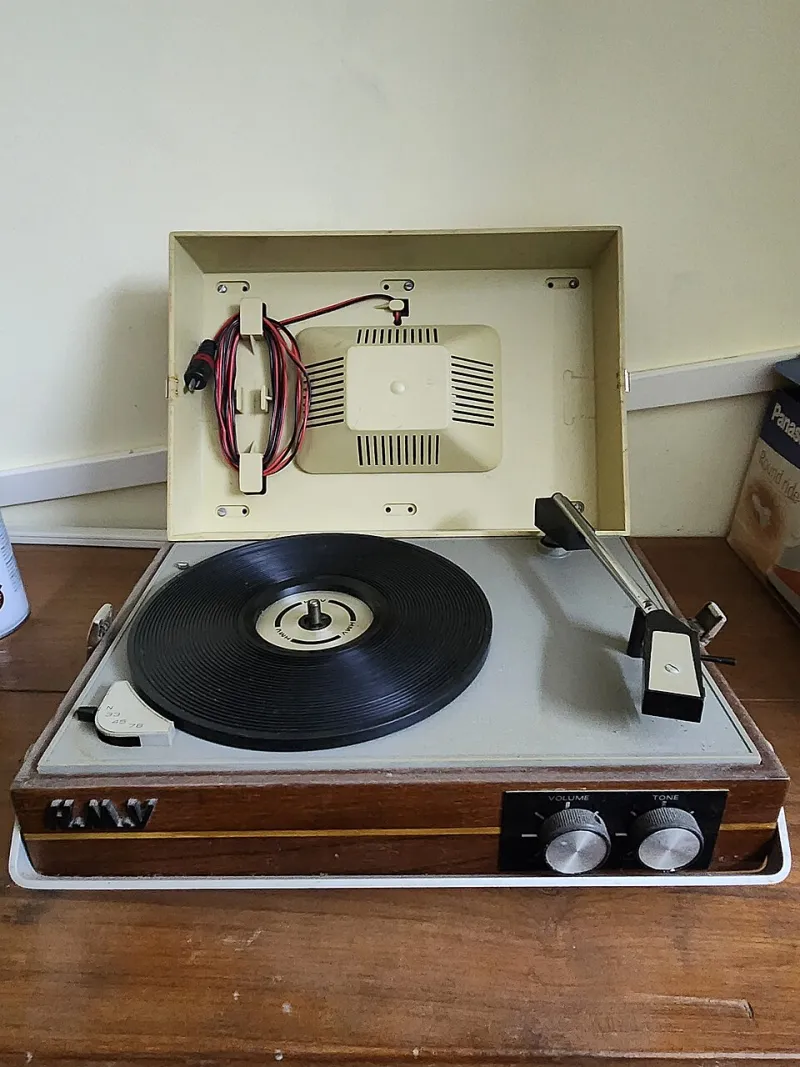
Photo: Amitbalani, CC0, via Wikimedia Commons
Somewhere in Ohio right now, a 19-year-old is dropping the needle on a vinyl record pressed before their parents met. The album? Probably something by Tatsuro Yamashita. The language? Japanese. The vibe? Immaculate.
Welcome to the City Pop revival — the strangest, smoothest musical resurrection of the decade.
What Even Is City Pop?
Strip away the mystique and City Pop is exactly what it sounds like: pop music made for city people. Late '70s through the '80s, Japan's bubble economy was roaring, Tokyo was flush with cash, and a generation of Japanese musicians had the budget, the studios, and the chops to make the most luxurious-sounding pop on the planet.
Think funk basslines, silky sax solos, production so warm you could melt butter on it, and choruses about driving along the coast at night. It was music for people who owned a sports car and a condo and wanted a soundtrack to match.
When Japan's bubble burst in the early '90s, City Pop fell out of fashion fast. It became a punchline — the cheesy elevator music of an era of excess. Which is exactly why nobody was guarding it when the internet came knocking.
The Algorithm Did What Radio Never Could
Here's the part that makes label executives weep: the City Pop revival wasn't engineered by anyone. It happened organically, one YouTube upload at a time.
Around 2017, a fan uploaded Mariya Takeuchi's "Plastic Love" to YouTube with no fanfare. The algorithm — that fickle deity — started recommending it to strangers. By 2019, the track had tens of millions of views. Then TikTok got hold of it, and things got silly. Producers started sampling it. Edits and remixes flooded every platform. Suddenly "Plastic Love" had more monthly listeners in the US than plenty of charting American artists.
There's a beautiful irony here. These songs were made for a specific city, a specific moment, a specific mood — and American Gen Z, living through a decade of doomscrolling and economic anxiety, adopted them as pure escapism. The music sounds like a sunset drive through a neon Tokyo that mostly no longer exists. It's nostalgia for a place you've never been. Vaporwave kids and lo-fi playlist devotees were already primed for that feeling; City Pop just delivered it with better chord changes.
The vinyl market noticed. Original pressings of albums like Yamashita's For You or Takeuchi's Variety now trade for eye-watering sums, and reissue labels have scrambled to meet demand. Your local record store in Portland or Brooklyn almost certainly has a City Pop bin now. Five years ago, that sentence would've been nonsense.
Your Starter Kit: 10 Essential Tracks
Ready to fall down the rabbit hole? Queue these up, in roughly this order:
- Mariya Takeuchi — "Plastic Love" — The gateway drug. A disco-funk heartbreaker about pretending to be fine. It is not overhyped.
- Tatsuro Yamashita — "Sparkle" — Yamashita is City Pop royalty, and this track is its royal entrance music. Pure joy in four minutes.
- Tatsuro Yamashita — "Ride on Time" — Yes, the one from that car commercial. Yes, it slaps.
- Miki Matsubara — "Mayonaka no Door / Stay With Me" — Went mega-viral on TikTok decades after release. That opening bassline owns you instantly.
- Toshiki Kadomatsu — "Night Cruising" — The horn section alone justifies the price of admission.
- Anri — "Sherry" — Beachy, breezy, and dangerously catchy. Anri is the genre's sunny-side-up queen.
- Junko Ohashi — "Telephone Number" — Recently rediscovered by a whole new generation. That chorus is a gut punch.
- Omega Tribe — "Aquamarine no Mama de Ite" — For when you want to feel like you're on a yacht you can't afford.
- Kingo Hamada — "Speed Boat" — Obscure-ish, gorgeous, and the favorite deep cut of every City Pop obsessive you'll meet.
- Yuko Tomita — "Sailing" — The perfect closer: dreamy, synth-washed, and unmistakably of its moment.
Why It Matters
City Pop's comeback proves something hopeful about internet culture: algorithms aren't only good at serving us slop. Sometimes they resurrect a genre that time forgot and hand it to a generation hungry for something that feels both new and old at once.
Forty years on, the lights in Tokyo's discotheques are long off. But somewhere in Texas, the groove never stopped.