Six Floors of Noise and Neon: What Akihabara Still Knows About Being a Gamer That America Forgot
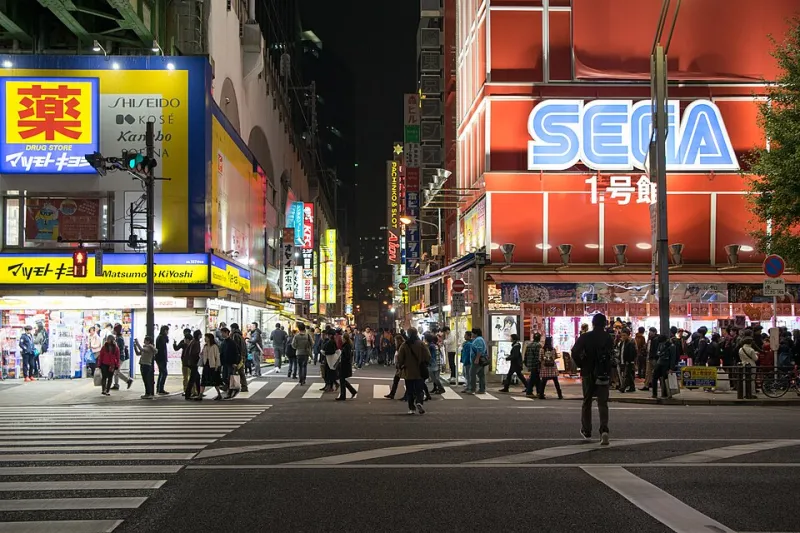
Photo: pohjolanpoluilla, CC BY-SA 2.0, via Wikimedia Commons
There's a moment that happens to almost every American gamer who visits Tokyo for the first time. You walk out of Akihabara Station, the evening humidity hits you, and a five-story building covered in anime billboards blares a rhythm game demo at full volume. Nobody is filming it for content. Nobody is embarrassed. It's just Tuesday.
And somewhere around that moment, it hits you: we used to have this. Sort of. And we let it go.
The Death of the American Arcade Was a Quiet One
If you grew up in the US in the '90s, your arcade memories probably live in a food court. Maybe a Dave & Buster's. Maybe that one Aladdin's Castle next to the Sears that your mom dropped you at for ninety minutes while she shopped.
Then the consoles got good, the malls started dying, and the arcades followed them into the landfill of suburban Americana. What replaced them wasn't a physical space at all — it was Discord, Twitch, and a headset. Gaming in America didn't stop being social. It stopped being located.
Akihabara never got that memo.
Six Floors of Doing Nothing Together
Here's what actually happens inside a Tokyo game center, and it's the part that doesn't translate in photos. On floor two, a salaryman in a rumpled suit is losing at crane games with total serenity. Floor four is rhythm games — a stranger holding the bar next to you on DDR like it's a commute, not a performance. Floor six, the smoking floor, is where the real ones grind out fighters, and a crowd of fourteen people has formed around two guys playing Tekken who have never spoken to each other and never will.
That's the thing sociologists call a "third place" — not home, not work, but the third space where community actually happens. Ray Oldenburg wrote about it decades ago, and he'd have had a field day with Akihabara. Nobody here is optimizing. Nobody's clip is going viral. The reward for being there is simply... being there.
Compare that to the American alternative, which increasingly looks like this: a $2,000 setup in a bedroom, a Discord server of people you'll never sit next to, and a growing, low-grade loneliness that even the industry itself has started naming out loud.
The Weird Corners Are the Point
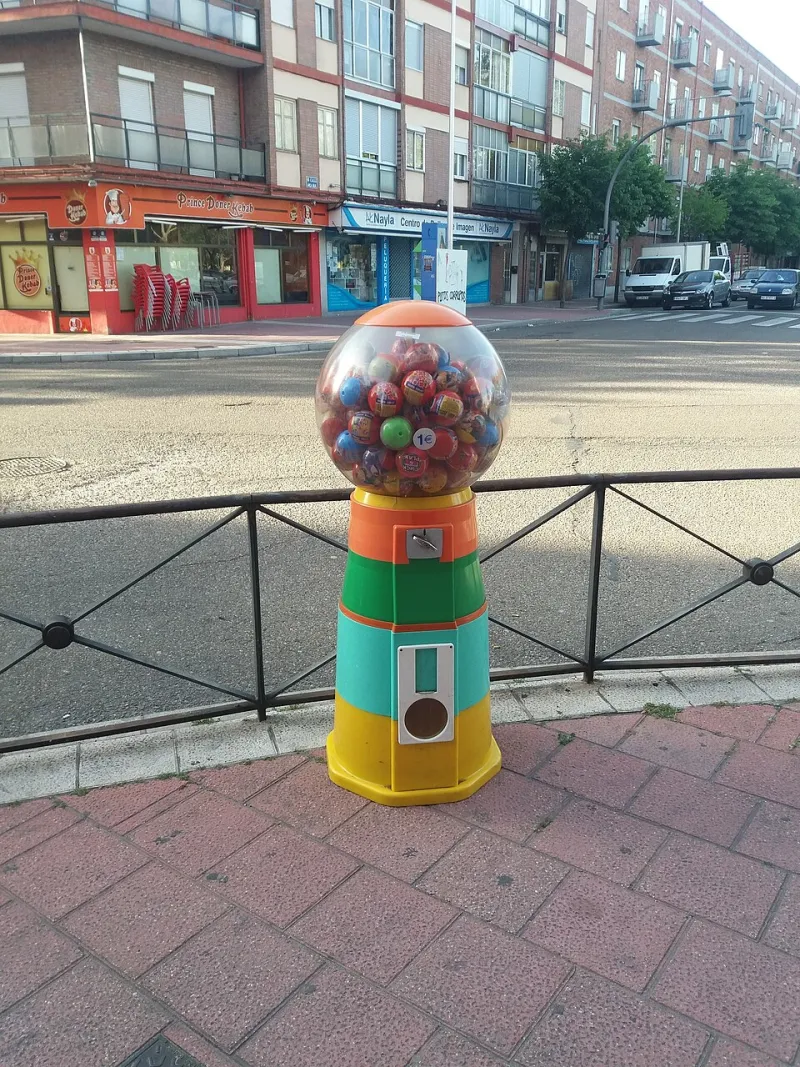
The game centers get the attention, but Akihabara's real magic is the ecosystem around them. Retro shops like Super Potato sell you your childhood back by the cartridge, complete with the smell of old circuit boards. Gacha corners run hundreds of capsule machines deep, selling you a tiny plastic ramen bowl for 400 yen with zero irony. And yes, the maid cafés — which sound like a punchline until you're inside one and realize the entire room is in on the same elaborate, wholesome joke, and everyone is grinning.
None of this is efficient. You can buy every one of these items online for less. That's exactly the point. The inefficiency is the product. It's the opposite of the frictionless, algorithm-fed experience American gaming has optimized itself into.
Can We Build One? Honestly, Probably Not
Every few years, some American city announces a "retro arcade bar" or a gaming-themed entertainment complex, and they're... fine. Bar-cades are nice. But they're arcades with drinks, built as destinations you drive to, not neighborhoods you drift through. Akihabara works because it's not an attraction. It's a district where this stuff simply accumulated over sixty years, floor by floor, shop by shop.
You can't zoned-and-financed your way into that. You can only grow it, slowly, in a place where density and transit and cheap-ish rent let weird little businesses survive. Which, to be fair, describes maybe four neighborhoods in the entire United States.
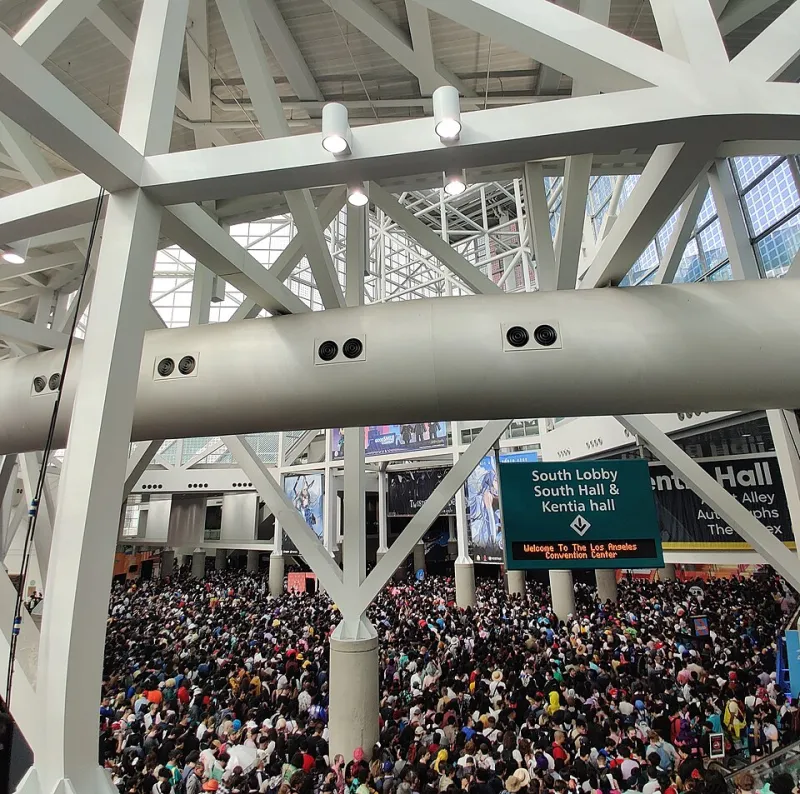
So no, America probably isn't getting its own Electric Town. But every US traveler who comes back from Akihabara slightly changed — a little less defensive about their hobbies, a little hungrier for a lobby full of strangers — is a small pressure on the culture. Enough of us, and maybe some developer finally builds a game center instead of another luxury condo.
First-Timer's Itinerary: One Night in Electric Town
Landing in Tokyo and want to do it right? Here's the ZANG-E starter route:
6:00 PM — Start at Super Potato. Retro heaven on floors 3–5 of a tiny building. Play a 100-yen cabinet, buy a Famicom cartridge you don't need.
7:30 PM — Crane game warm-up. Pick any multi-floor game center (GiGO and Taito Station are everywhere). Set a 1,000-yen budget and accept your losses like an adult.
8:30 PM — Go up. Find the rhythm game floor. Try something you're bad at in front of strangers. This is the therapy portion of the evening.
9:30 PM — Gacha corner. Hundreds of capsules. Buy the dumbest one. You'll understand later.
10:30 PM — Maid café, if you're brave. Book ahead. Order the omurice. Do the clapping thing. Commit.
Midnight — Walk back to the station slowly. Look up at the screens. Realize you spent six hours offline, surrounded by people, having the most social night of your gaming life.
Then go home and ask yourself why your hometown can't have even one floor of it.