The $12 Keychain That Beats Your $45 Tour Tee: Inside Japan's Merch Machine and America's Sudden Import Addiction
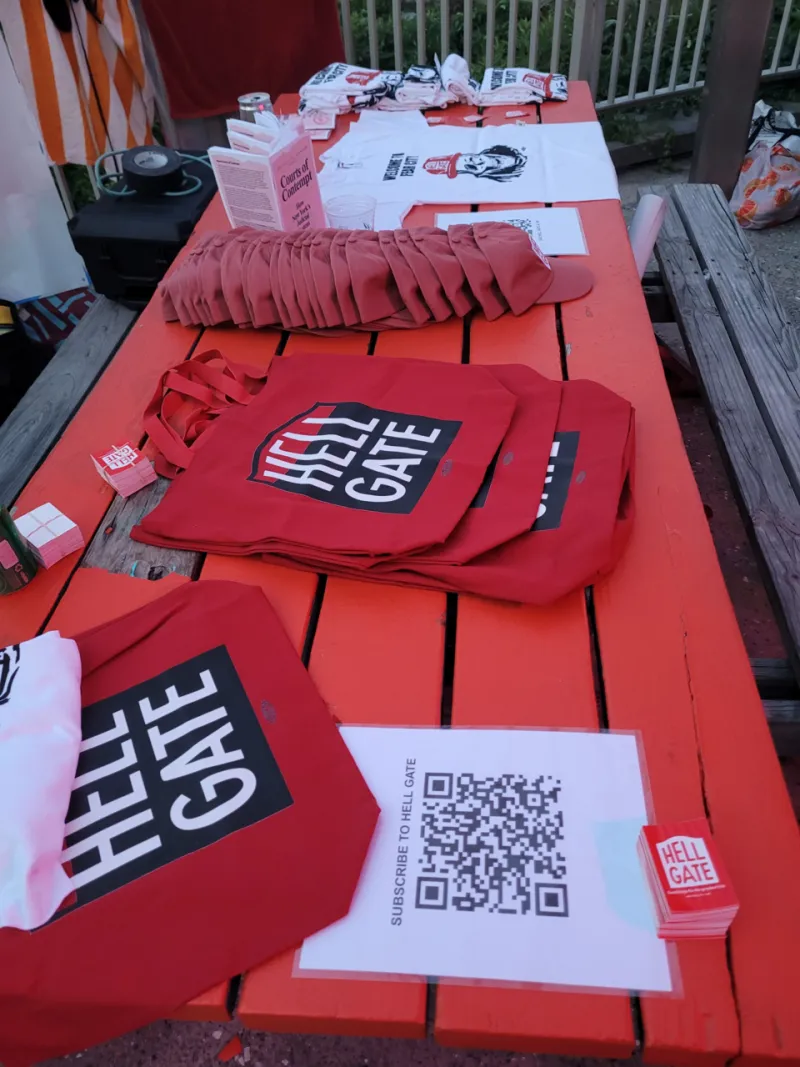
Photo: Sumanah, CC BY-SA 4.0, via Wikimedia Commons
There's a moment that hits every American concertgoer the first time they hit a merch table in Tokyo. You walk in expecting a folding table with three sizes of the same black t-shirt and a card reader that's been dropped one too many times. Instead, you find a line snaking around the venue, a laminated goods menu handed out at the door, and a staff member with a clicker counting bodies so the table doesn't get mobbed.
Then you see the goods themselves. Acrylic stands with the artist's tour mascot. A foil-stamped clear file. A lottery — yes, a lottery — where you pay a flat fee, pull a sealed box, and hope for the silver-rare photocard. This isn't merchandising. This is a whole economy, and American fans have started buying into it from 6,000 miles away.
The Lottery Economy, Explained
The centerpiece of Japanese tour merch culture is the ichiban kuji-style lucky draw. Instead of listing a "limited edition" hoodie at an inflated price and letting scalpers do the rest, artists sell sealed blind boxes at a fixed price. Every buyer gets something; a lucky few pull the coveted item.
It sounds like a gimmick until you watch it work. The lottery flattens the resale hierarchy — the person who paid $8 for a pull has a shot at the item someone else will list on Mercari for $80 that night. It gamifies the merch table in the same way gachapon gamified the toy aisle, and it turns the merch line into part of the show itself. You're not just buying a souvenir. You're buying a moment of suspense.
Compare that to the standard American setup: a $45 tee, screen-printed with a tour date list, in three colors, sized for nobody. It's not that US merch is bad. It's that it's safe — designed to move units, not to be kept.
Packaging Like a Museum Gift Shop
Walk through the goods section at a Japanese arena show and you'll notice fans handling items like they're already collectibles — because they are. Clear PET sleeves. Backing boards. Tissue paper inside a branded box for something that costs less than lunch.
This isn't accidental. Japan's wider retail culture treats packaging as part of the product, and merch departments inherited that DNA. A photocard comes in a sleeve with a flap. An acrylic badge ships in a foam cutout. When the show ends, the item doesn't go in a drawer — it goes on a shelf, displayed next to the ticket stub in an acrylic frame sold specifically for that purpose.
American venue merch, by contrast, usually gets shoved into a plastic bag with a beer koozie and forgotten until laundry day. One product is built to be kept. The other is built to be sold.
Why US Fans Are Paying Import Prices Anyway
Talk to anyone running a J-music import shop stateside and the story is the same: demand has outpaced supply for years. When a Japanese tour sells out its goods run in two nights, the only way to get that acrylic stand in Ohio is through a proxy buyer or a reseller — and resellers know exactly what they have.
"People will pay triple retail for a keychain from a tour they didn't even attend," one Los Angeles-based importer told me, only half-joking. "It's not about the object anymore. It's about being in on something."
That's the real shift. Anime conventions and J-pop club events have trained a generation of American fans to expect merch as experience — blind boxes, trade events, display cases. When domestic tours offer a cotton tee and a call it a day, the import market fills the vacuum at whatever price the market will bear.
What the $45 Tee Gets Wrong
To be fair, the American model exists for reasons: thin margins, quick turnarounds, venue cuts that eat the profit before the band sees a cent. A screen-printed tee is the lowest-risk product a touring act can sell.
But the Japanese model proves the risk is worth taking. Limited runs create urgency. Quality packaging creates perceived value. Lotteries create stories — every fan who pulls the rare card has something to post about, which is marketing money can't buy. And small, cheap items (stickers, badges, snack collabs) lower the entry point so casual fans buy more, not less.
The math isn't mysterious. It's just a different question. American merch asks, "How many shirts can we move tonight?" Japanese merch asks, "What will this fan still own in ten years?"
One of those questions builds a collector. The other builds a pile of laundry.
The Table Is Turning
The encouraging part? It's starting to stick. K-pop's American tours adopted the lottery model years ago and print money with it. Indie acts are experimenting with enamel pins, sticker packs, and numbered prints instead of the standard tee. And the fans who grew up pulling gachapon capsules and unboxing blind figures aren't going to be satisfied by a boxy black shirt with a tour date on the back.
The merch table used to be the most boring ten minutes of the concert experience. In Tokyo, it's a second show. American acts would be smart to take notes — before their fans spend the whole budget on imported keychains instead.