Down the Rabbit Hole: Inside Japan's Vending Machine Wonderland That Has America Hooked
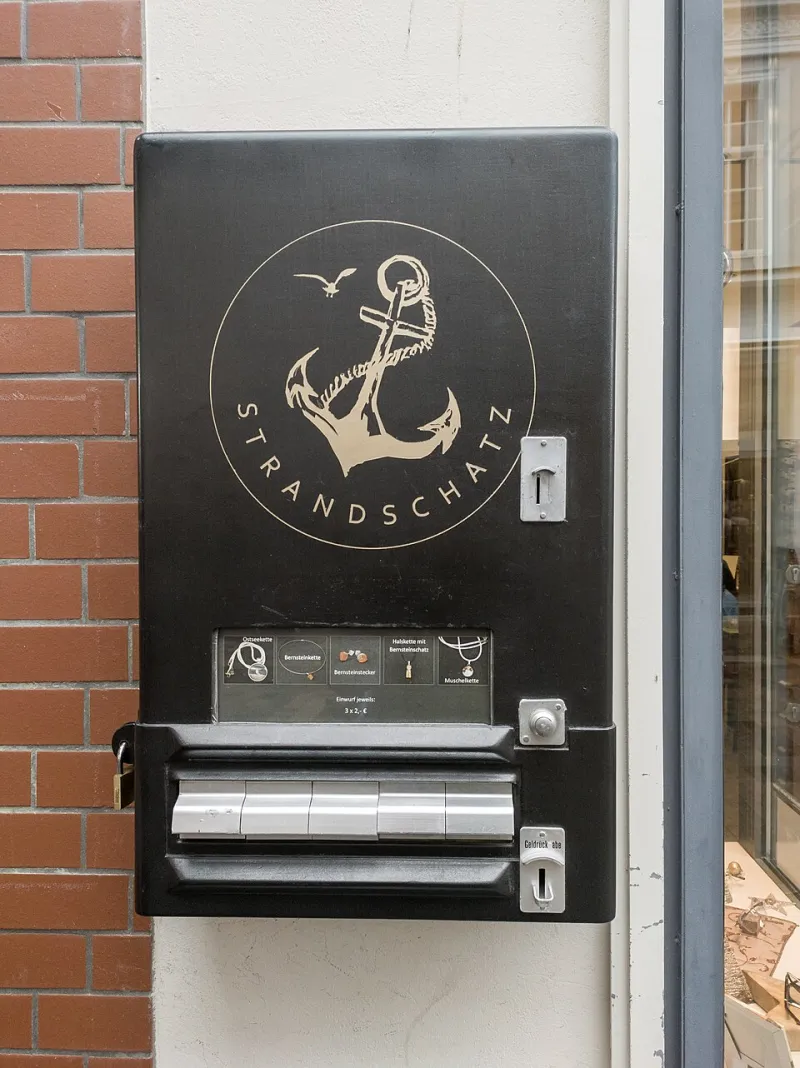
Photo: Matti Blume, CC BY-SA 4.0, via Wikimedia Commons
The Algorithm Found the Machines
Scroll TikTok long enough and it'll happen. A POV video: rain-slicked alley in Osaka, neon reflecting off wet asphalt, and there it is — a glowing vending machine selling something you didn't know could be vended. Hot corn soup in a can. Fresh flowers. A $50 collectible soda that looks like a museum piece.
The comments are always the same. "Japan is living in 2050." "Why does America not have this." "I'd fly to Tokyo just for this machine."
America has raised an entire generation on the saddest vending machines imaginable — the highway rest stop dispenser with three stuck bags of Cheetos and a Coke that's been warm since the Obama administration. Against that backdrop, Japan's automated retail ecosystem doesn't just look impressive. It looks like science fiction. And US audiences are consuming it the way they consume everything else they envy: in 60-second clips, on loop, at 1 a.m.
We Ranked the Machines That Broke the Internet
1. The Black Vending Machines (Osaka)
The dark horse champion. Tucked into alleys in Nishinari and other unglamorous corners of Osaka, these machines are literally called burakku jihan-ki — black vending machines. They're vintage, they're unregulated-adjacent, they sell things you won't find anywhere else, and their aesthetic is somewhere between film noir and a David Lynch set. American YouTubers have built entire careers on hunting them down. The videos rack up millions of views because they hit the trifecta: mystery, danger vibes, and the promise of something genuinely undiscovered.
2. The $50 Retro Melon Soda
Yes, it's just cream soda. Yes, it's absurdly expensive. But these machines stock decades-old bottles of discontinued Japanese sodas — collector's items in drink form — and watching a creator crack one open on camera is basically ASMR. The price tag is the point. It signals that this isn't refreshment; it's a transaction with history.
3. Capsule Toy Walls (Gachapon)
Technically vending, spiritually gambling. Gachapon corners in Akihabara and Ikebukuro are cathedral-scale — rows and rows of machines dispensing tiny figures, keychains, and mystery trinkets for a few hundred yen. The "mystery" element is catnip for American audiences raised on blind boxes and Loot Crates. The capsule economy is now worth billions, and every unboxing video is free advertising.
4. The Hot Drink Machines
Corn soup. Hot milk tea. Canned coffee that's actually good. In a country where machines can heat as well as chill, the humble hot can in cold hands became an entire genre of cozy content. Americans, whose hot vending options peak at a suspicious coffee button, find this deeply emotional.
5. The Weird Ones
Fresh eggs. Live crabs (historic, don't worry). Umbrellas on rainy-day corners. Instant ramen. Used panties — okay, that one's an urban legend mostly, but the myth persists precisely because Japan's vending culture is so vast that Americans will believe anything. The truth is already strange enough.
Why It Hits So Hard in the US
Here's the thing: this isn't really about soda. It's about trust.
American vending culture assumes vandalism, assumes theft, assumes the worst. Machines get bolted down, emptied, neglected. Japan's machines assume community. They're maintained, restocked, sometimes even decorated by the neighborhoods around them. A machine can sit in a residential alley for 30 years and nobody breaks it.
For US viewers, that's the actual fantasy — not the melon soda, but the world where you can leave nice things outside. The vending machine videos work because they're glimpses of a social contract Americans didn't know they were missing.
The Import Attempt Has Begun
And now, predictably, the entrepreneurs have arrived. Japanese-style vending machine bars are opening in Brooklyn and LA. Gachapon machines are showing up in malls and anime conventions from Texas to New Jersey. Specialty importers are stocking machines with Japanese drinks and snacks, charging $8 for a ramune and calling it an experience.
Some of it works. A lot of it is cosplay — the aesthetic without the ecosystem. A lone Japanese drink machine in an Austin food hall hits different when it's curated rather than ubiquitous.
But that's how cultural imports always start. Sushi was once a novelty too.
The Verdict
Japan's vending machines fascinate America because they're proof that infrastructure can have personality. Every machine is a tiny storefront with no staff, no overhead drama, just quiet reliability and a glowing menu of small delights.
Until the US figures out how to build that — the trust part, not just the machines part — we'll keep watching the alley videos. And honestly? Keep flying to Osaka.