Alarm Set for 3 A.M., Flight Booked for a Train: Inside America's Dawn Patrol Obsession With Tokyo's First Departures
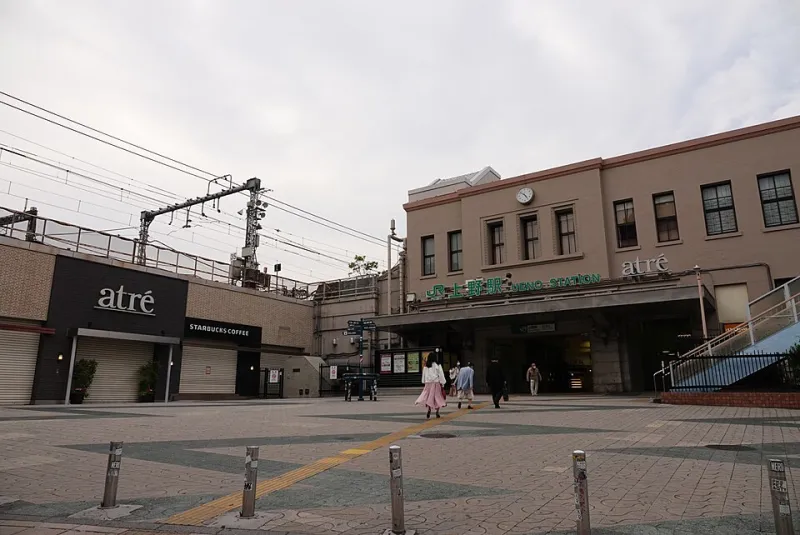
Photo: Real Estate Japan from Tokyo, Japan, CC BY 2.0, via Wikimedia Commons
I want to tell you about the moment I understood this whole thing. It's 4:47 A.M. at Shibuya Station. I've been awake for two hours, running on airport coffee and something closer to a religious feeling. The first train of the day slides in with a chime I've heard in a hundred YouTube videos, except now it's real, it's echoing off tile, and the platform is mine.
Mine, and about six other people holding cameras.
That's the scene. That's the whole subculture. Americans — grown adults with jobs and health insurance — flying across the Pacific to ride trains that most Tokyo residents ride out of grim necessity. And honestly? I get it now. Let me explain.
The Commute Nobody Wanted Is Now the Video Everybody Watches
American transit content has been having a moment for a few years. Channels dissecting why the NYC subway can't have nice things, video essays about high-speed rail envy, the whole "just one good train, please" genre. Japan sits at the top of that pyramid like a shiny trophy. The trains run on time to the second. The platforms are clean. Nobody's playing music on a speaker.
But the first-train crowd is a different animal. This isn't about efficiency. This is about atmosphere.
There's a specific quality to a Japanese station before sunrise. The shops are still shuttered. The vending machines hum. Station staff do their morning calisthenics near the gates. And when that first train pulls in — usually around 4:30 to 5:00 A.M. depending on the line — it arrives at a station that feels less like infrastructure and more like a movie set that hasn't been dressed yet.
American creators figured out that this liminal, half-asleep Tokyo is arguably more beautiful than the neon version. The crowds haven't shown up. The crosswalks are empty. Shibuya without people is like the Grand Canyon without tourists — eerie, and somehow more itself.
From Gunma to the Yamanote: The Pilgrimage Itinerary
Here's where it gets delightfully weird. The hardcore practitioners don't just ride Tokyo lines. They chase first trains out into the countryside.
There's a certain kind of person who will take the first Joetsu Shinkansen out of Tokyo at an hour when even the konbini staff look surprised to see them, transfer to a rural line in Gunma, and film a two-car local train rattling past rice fields as the sun comes up. No English announcements. Maybe a high schooler asleep in the back row. Absolute cinema, as the kids say.
One creator I spoke with described it as "secular pilgrimage." You wake up absurdly early. You travel with intention. You arrive somewhere quiet and beautiful and slightly uncomfortable. Then you go home changed — or at least with 4K footage of a one-man-operated train.
The mindfulness angle is real, too. Several of these riders treat the dawn commute as meditation. No phone scrolling on a packed train, because there's no packed train. Just you, the rhythm of the rails, and a Japan that belongs to nobody yet.
Wait — People Are Making Money Off This?
Yes. Spectacularly, modestly, weirdly yes.
The train content economy works like this: you build an audience with meditative ride videos and station walkthroughs, then monetize through YouTube ad revenue, sponsorships from Japanese travel brands, and — this is the genius part — merchandise. A guy selling enamel pins shaped like old station signs. A woman printing her dawn platform photography as art prints that sell out in hours.
Compare that to the American commute, which has inspired approximately zero merchandise and infinite resentment. There's something almost offensive about it. Your two-hour crawl on the 405 inspires nothing but podcasts about road rage. Tokyo's first train inspires a photo book.
But here's the honest take: it's not really about the trains. It's about what the trains represent. Order. Care. A society that decided public space was worth maintaining. Americans watching these videos aren't lusting after rolling stock — they're grieving something they never had.
Should You Actually Do It?
Look, I'm not going to pretend this is a normal vacation. Your friends will ask why you're awake at 3 A.M. on "vacation" and you will not have a good answer.
But if you've ever felt that little pang watching a first-person ride video at midnight, know this: the real thing is better. The chime is softer than the mic picked up. The air in the station is cool and smells faintly of coffee from the first kiosk opening downstairs. And when the train doors open at an empty platform in Gunma and you step out into the morning, nobody films it but you.
That's the part no monetization strategy can capture. The commute, for once, is entirely yours.
Set the alarm. Book the flight. The first train waits for no one — but it does, in its own way, wait for everyone.