One Hundred Bucks, Two Wallets: We Spent the Same Money in Denki-Gai and at a US Comic Con — Guess Who Went Home Happy
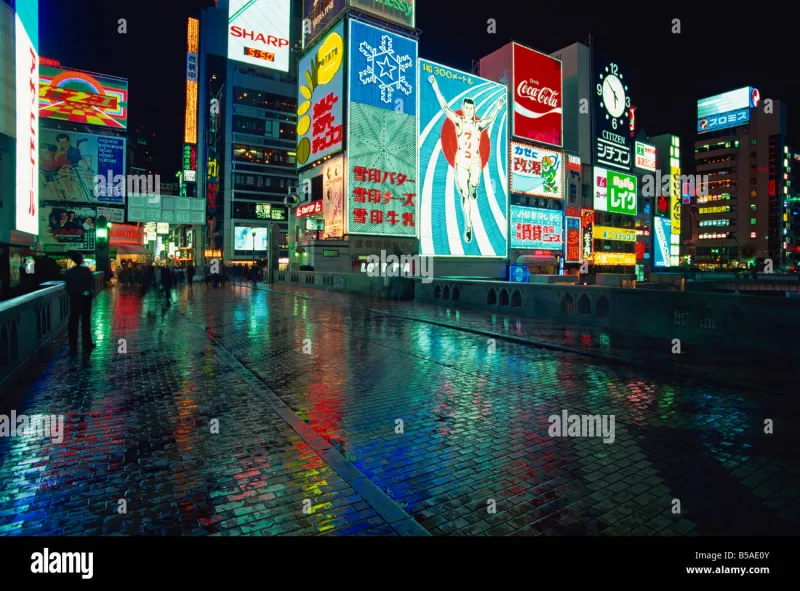
Photo: Osaka Nipponbashi Denki-Gai electric town street neon anime shops, via c8.alamy.com
Let's do an experiment that will make your wallet sweat: take one hundred dollars — a crisp Grant, the amount most of us blow without thinking on a Friday night — and spend it two ways.
Option one: a major US comic convention. Badge, food, merch, the works. Option two: the secondhand manga shops of Denki-Gai, the electric town stretch in Osaka where otaku culture has been composting into bargain bins for forty years.
I've done both. Here's the autopsy.
First, the American Side of the Ledger
You don't even get in the door for free. A single-day badge at a big con — your Emerald City, your C2E2, your regional MegaCon-type event — runs somewhere between $50 and $80 if you bought early, more if you didn't. Let's be generous and say you scored a $60 badge. Forty dollars left.
A con dog that costs more than a sit-down lunch? That's $15. A bottled water because the hall is a human terrarium? Four bucks, minimum.
Now you've got about $20 of buying power left, and here's where it gets grim. A single new manga volume at a con booth: $12 to $15, full retail, no discount. An exclusive variant cover of a comic you already own: $10, and its only special property is a different logo color. A Funko Pop: $15-20. One artist alley print: $15-25.
So your hundred dollars bought: entry, lunch, and roughly one book plus a poster. You will carry all of it in a plastic swag bag that's already ripping at the handle by 2 p.m.
Now the Denki-Gai Math, Which Feels Like a Typo
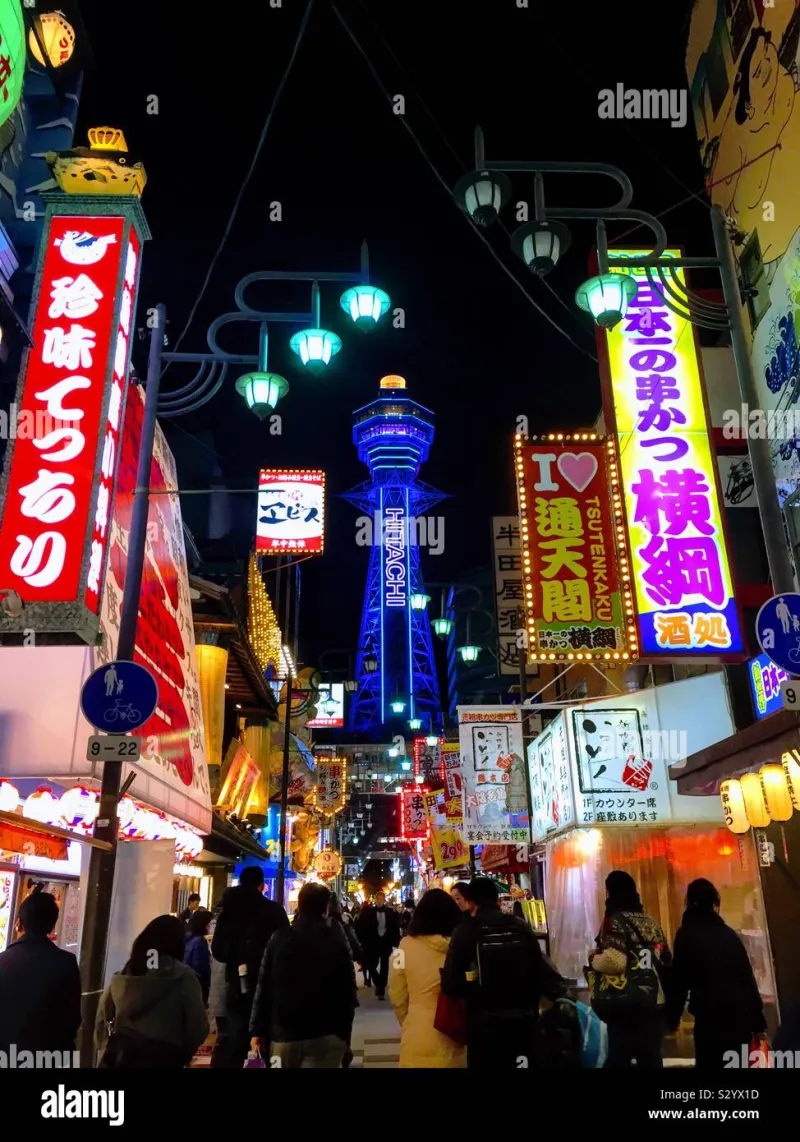
Denki-Gai — the Nipponbashi district in Osaka, if we're being precise — doesn't charge you to walk in. The street itself is the event. Neon signage, anime theme songs bleeding out of every storefront, and shops whose entire business model is selling you yesterday's fandom at a fraction of the price.
One hundred dollars is roughly 15,000 yen. Watch what that does.
The used tankobon bins are the main event. Manga volumes — complete, readable, often in shockingly good condition — start around 100 yen. One hundred yen. That's about 65 cents for a full volume of something that would run you $12 back home. For 2,000 yen, you can walk out with an entire completed series. Twenty volumes. The whole story.
We're at $13 and you own a saga.
Feeling flush? A 500-yen bin at the bigger secondhand chains (Book Off and its otaku-focused cousins) yields classics in near-mint condition. Retro game carts, soundtrack CDs, out-of-print art books — the deep-cut stuff that American collectors pay scalper prices for on eBay — sits in shelves here priced like it's a garage sale.
Even the premium tier is reasonable. Trading card singles at the card shops run the gamut, but a handful of yen here gets you the chase cards that would cost real American money online. A figure from the capsule machines? 300-500 yen per turn, and the quality will embarrass the $30 blind boxes at your local con.
By the end: full series, some retro games, a stack of singles, capsule toys rattling in your bag, lunch from a standing noodle shop for about $4, and you're still under budget. You didn't spend your hundred dollars. You invested it.
Why the Gap Exists — And Why It's Getting Worse Back Home
The difference isn't luck. It's infrastructure.
Japan built a secondhand economy for fandom decades ago. Book Off, Mandarake, and a hundred regional chains created a system where used media is cleaned, graded, priced, and sold at scale. Your old volumes have trade-in value. Fandom has a resale market, which means it has an off-ramp and an on-ramp for fans at every income level.
The US convention model, by contrast, is built on scarcity and exclusivity. Exclusive variants, limited drops, celebrity autographs priced at $80 a signature — the whole apparatus is designed to make you feel like the deal is closing whether you buy or not. Convention badges themselves have crept toward concert-ticket pricing while the floor becomes an increasingly expensive gift shop.
And here's the kicker: American fans know it. That's part of why used manga sales in the US have quietly exploded, why dollar bins at local comic shops have a cult following, why everyone's suddenly price-comparing that con exclusive against the Japanese Amazon listing. The demand for affordable fandom is there. The infrastructure to serve it, mostly isn't.
The Verdict
One hundred dollars in America buys you a day pass and a sore back. One hundred dollars in Denki-Gai buys you a library.
That's not just a travel tip — it's an indictment. Fandom was never supposed to be a luxury good. Somewhere between the exclusive variants and the $15 con dogs, we let it become one. Japan's electric towns never got that memo, and their bargain bins are proof it didn't have to be this way.
Book the flight. Bring an empty suitcase. Thank me later.