Skip Akihabara. Osaka's Nipponbashi Is the Last Real Nerd Neighborhood in Japan
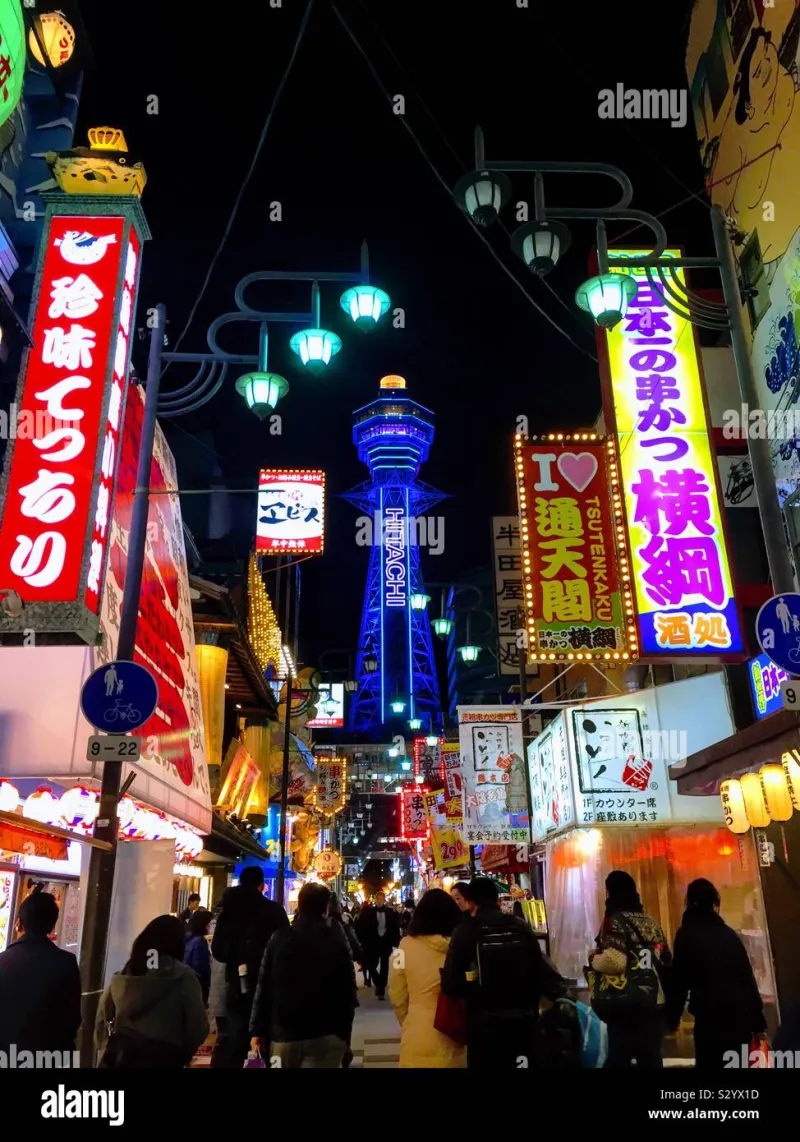
Photo: Nipponbashi Denki-Gai Osaka electric town street neon shops, via c8.alamy.com
Here's a scenario that plays out every single day in Japan: an American tourist lands in Tokyo, takes the train to Akihabara, snaps a photo under the SEGA building's glow, buys a keychain, and flies home convinced they've seen 'Electric Town.'
They haven't. They've seen Electric Town's gift shop.
Because 250 miles to the west, in Osaka, there's a district that's been doing the otaku thing longer, cheaper, and frankly weirder — and almost nobody from the States ever shows up. It's called Nipponbashi, and if you care about nerd culture even a little, it deserves a spot on your travel list before the rest of the world figures it out.
What Nipponbashi Actually Is
Nipponbashi — often shortened to 'Denki-Gai,' literally 'Electric Town' — stretches along Sakaisuji Avenue in Osaka's Naniwa Ward. It started the same way Akihabara did: as a post-war hub for radio parts, electronics, and the tinkerers who loved them. When Japan's hobbyist culture mutated into otaku culture in the '80s and '90s, Nipponbashi mutated right along with it.
The difference is what happened next. Akihabara got discovered — by investors, by tourism boards, by cruise ship itineraries. Nipponbashi just... kept being itself. The result is a district that feels less like a themed experience and more like a working neighborhood that happens to sell 40 years of accumulated nerd history.
The Prices Will Hurt Your Feelings (In a Good Way)
Let's talk money, because this is where Nipponbashi quietly destroys its Tokyo rival. Retro game shops here — spots like the multi-floor junk emporiums stacked with Famicom carts, Super Famicom boxes, and shelves of Sega Saturn discs — routinely undercut Akihabara by 20 to 40 percent on the same titles.
For American collectors used to paying scalper prices on eBay for a loose copy of a SNES classic, walking into a Nipponbashi shop and finding boxed, complete-in-box games at sane prices feels like a glitch in the simulation. Shop owners here aren't pricing for tourists; they're pricing for Osaka locals, who will absolutely walk out if you try anything cute.
And it's not just games. Model kits, gunpla, airsoft, anime figures, vintage electronics, hobby tools — this was always a district for builders and tinkerers, and that DNA shows in the stock. You can buy a soldering iron and a rare Dreamcast peripheral on the same block.
Cosplay, But Make It DIY
Every March, Nipponbashi throws what might be Japan's most under-the-radar fan event: the Nipponbashi Street Festa. Thousands of cosplayers take over the district in a massive, street-level celebration that makes Comic-Con's exhibition hall feel like a dentist's waiting room.
But the DIY cosplay culture runs year-round here, and it's more scrappy than the Tokyo scene. Costume shops sell fabric, wigs, and props alongside the electronics stores, and there's a practical, Osaka-style resourcefulness to it all. This is the city of comedians and street vendors, after all — the attitude is less 'perfect recreation' and more 'did it work? then it counts.'
Akihabara Is a Destination. Nipponbashi Is a Neighborhood.
Here's the real argument, and it's not really about prices. Akihabara, for all its genuine wonders, now performs otaku culture for visitors. The maid cafés have English menus. The flagship stores are designed to be photographed. That's not a knock — it's just what happens when a subculture becomes an industry.
Nipponbashi hasn't been curated for you. The shops are cluttered and idiosyncratic because they're run by people who love this stuff, not because a marketing team decided clutter reads as 'authentic.' You'll get lost. You'll find a three-floor shop that's 70% parts for appliances that stopped being made in 1994. You'll haggle, badly, in a mix of English and Google Translate, and the owner will respect the effort.
For American travelers, the comparison is simple: Akihabara is Times Square. Nipponbashi is the record shop two neighborhoods over that your friend swears by — except it's the size of a district and it's been doing this for 70 years.
Go Before the Algorithm Finds It
Look, the secret won't hold forever. Kansai tourism is climbing, Osaka just hosted a World Expo, and content creators are always hungry for 'the hidden gem' angle. The window where Nipponbashi still feels like a discovery is closing, probably within the decade.
So here's the play: fly into Kansai International, skip the shinkansen to Tokyo, and spend two days in Nipponbashi. Eat takoyaki from a street stall. Blow your souvenir budget on retro games you could never afford back home. Get absorbed into the Street Festa crowd if your timing's right.
Akihabara will still be there when you're ready for the greatest hits. But if you want to see what Electric Town looked like before the world was watching — before it became a brand — Osaka's been keeping the original running this whole time. Quietly. Cheaply. And without caring whether you show up.
Which is exactly why you should.