A Floppy Bear Runs a Better Twitter Account Than Your Social Media Manager
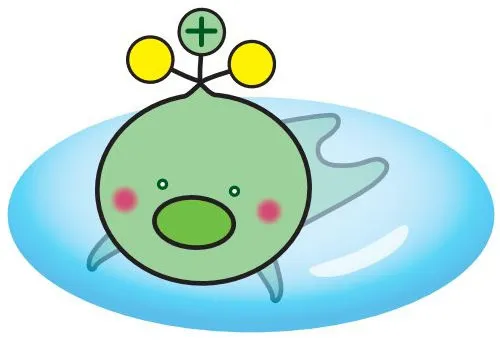
Photo: The Reconstruction Agency, The Government of Japan 日本国政府復興庁, CC BY 4.0, via Wikimedia Commons
Somewhere in Japan right now, a man in a bear suit is attending a budget meeting about road maintenance. He has a name, a birthday, a favorite food, a documented personality flaw, and probably more Instagram followers than the mayor he works for. This is not a stunt. This is municipal policy.
Meanwhile, in America, a brand team in a glass conference room just voted to make their logo wink. They hired a consultant. They tested it with two focus groups. It died in three days and everyone quietly deleted the tweets.
If you've spent any time watching US marketing sprint after Japanese kawaii culture and faceplant, you've probably asked the same question I have: why can't we just... do that?
The Mascot Is Not a Campaign. It's a Commitment.
Here's the thing most American brands miss: Japan's mascot economy — the so-called yuru-chara world — isn't an aesthetic. It's a long game played with bureaucratic seriousness.
Kumamon, the black bear who represents Kumamoto Prefecture, reportedly generated billions of yen in merchandise and tourism revenue. Funassyi, the unofficial pear fairy of Funabashi, became a national celebrity without government backing, purely through sheer unhinged energy and stage presence. These characters don't launch. They accumulate. They show up at events for years. They lose popularity contests. They get back up.
Compare that to the American approach: a character gets one fiscal quarter to prove itself, then the C-suite pulls the plug and the costume goes to a warehouse in New Jersey. Cuteness doesn't survive a quarterly earnings call. Longevity does.
We Keep Confusing Cute With Pretty
American attempts at mascots tend to be designed first and written second — if they're written at all. The result is a smooth, focus-grouped critter with no inner life. It looks like something. It isn't someone.
Japanese mascot design runs the opposite direction. Kumamon is deliberately kind of ugly. Funassyi is a pear with limbs and an anxiety disorder. The beloved characters are flawed on purpose — clumsy, goofy, occasionally rude. That's the hook. Imperfection reads as sincerity. Polish reads as a sales pitch, and audiences in 2025 can smell a sales pitch through drywall.
There's also the uncomfortable truth that a lot of kawaii-ification is infrastructure. Japan put characters on manhole covers, police precincts, tax notices, and construction barriers. When cuteness is ambient — part of the wallpaper of daily life — you don't resent it. You get attached. America deploys cute like an airstrike: one big campaign, maximum saturation, then nothing.
The Robot in the Lobby Was a Warning Shot
And it's not stopping at bears. Japan's soft-power machine has spent decades rehearsing us for a friendlier technological future. Robots in hotel lobbies that bow. Appliance manufacturers giving vacuum robots names, personalities, and — yes — implied salaries in the form of advertising budgets that treat them like talent. Japanese robotics culture long ago figured out that people don't bond with machines. They bond with characters that happen to be machines.
US companies are catching on the only way they know how: by hiring for it. "Character consultant" is quietly becoming a real job title in American marketing departments, and the good ones are students of the Japanese playbook. The bad ones are the reason your bank's new animated otter feels like a hostage situation.
How to Actually Do It (If You Must)
If an American brand wants a mascot that doesn't evaporate, the Japanese model suggests three unglamorous rules:
Give the character a biography, not a brand brief. Birthday, hometown, flaws, opinions. If the character can't have a bad day, it can't have a personality.
Commit past the point of embarrassment. The whole joke of Funassyi is that an adult in a pear suit takes themselves completely seriously. Half-hearted irony kills mascots. Full-hearted absurdity feeds them.
Let the character fail in public. Japanese mascots lose popularity tournaments and become more beloved for it. American brand characters are never allowed to be wrong, so they're never allowed to be real.
That's it. That's the whole secret. It's not design talent — Japan doesn't have a monopoly on illustrators. It's patience and vulnerability, two things the American marketing machine is structurally allergic to.
The bear running the Twitter account isn't a gimmick. It's a decade-long promise that someone, somewhere, will keep showing up in the costume. Until US brands are willing to make promises like that, they'll keep buying the aesthetic and wondering why nobody hugs back.