2 A.M. Last Call? In Tokyo, That's When the Night Clocks In
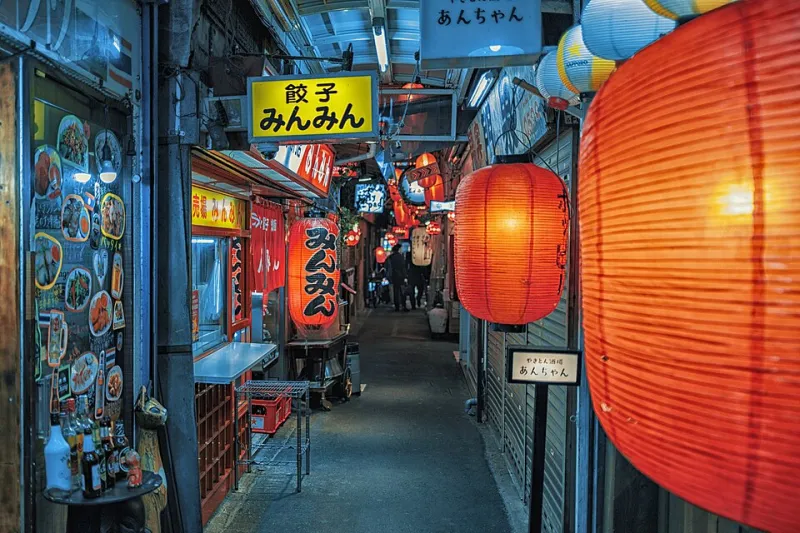
Photo: Stele5cats, CC BY-SA 4.0, via Wikimedia Commons
There's a specific kind of heartbreak that happens in an American city at 1:47 a.m. You're mid-conversation, the playlist finally hits its stride, and a bartender starts flipping chairs onto tables without making eye contact. The night is over. Not because anyone's tired — because the law says so.
Then you land in Tokyo, stumble out of Shibuya Station around midnight, and realize you've been living under a curfew your whole life.
The Night Doesn't End. It Just Changes Floors.
Here's the thing that messes with American heads: Tokyo's nightlife isn't one long party, it's a relay race. The izakaya crowd hands off to the bar crowd, who hand off to the club crowd, who eventually hand off to people eating ramen at 5 a.m. wondering where the evening went. Nobody's rushing you out. There's no last call because, in most places, there's no call at all.
Shibuya is the obvious entry point — the clubs down narrow stairwells don't really get going until the trains stop running, which is around midnight. That's not a bug, it's the design. Miss the last train and suddenly you have six hours and an entire underground scene to fill. Locals treat it like a feature. Americans treat it like a hostage situation until their second visit, when they stop checking the time entirely.
Golden Gai: Six Alleys, 200 Bars, Zero Chains
If you've only seen Shinjuku through a movie lens, Golden Gai will rearrange your assumptions. It's a scrap of postwar streets where buildings the size of garden sheds each hold a bar that seats maybe eight people. The bartender is often the owner, the DJ, and the only employee. Some have themes so specific — punk rock only, sci-fi memorabilia only, one guy who only plays city pop — that they'd be a punchline in the US. Here, they're just Tuesday.
Yes, some bars have cover charges and a few still wave off tourists. That's not gatekeeping; it's a neighborhood protecting its living room. The workaround is simple: be a person, not a camera. Sit down, order what they pour, stay longer than one drink. The best conversations I've had in Japan happened in rooms smaller than my Brooklyn kitchen.
Compare that to the American model — a mega-club with a $60 cover, a two-drink minimum, and a velvet rope guarding a dance floor the size of a Whole Foods. We optimized nightlife for scale. Japan optimized it for proximity. Guess which one you actually remember.
The Basement Economy
There's a whole layer of Tokyo that exists below street level, literally. Basement bars and tiny live houses operate in spaces that would never pass a US occupancy code, and that's exactly their charm. Fifty people crammed into a concrete box watching a three-piece band tear through noise rock at 1 a.m. — the sweat is part of the ticket price.
The American equivalent died when cities started enforcing the kind of regulations that turn every venue into either a stadium or a coffee shop with a PA. Japan kept its small rooms alive because the culture never stopped valuing them. That's the part worth stealing, honestly. Not the vending machines. Not the convenience store egg salads. The idea that a room built for 40 people is worth protecting.
The Part Nobody Puts in the Brochure
And then there's the after-after-hours, the side of the entertainment districts you won't find on a walking tour. The love hotel neon glowing over side streets, the members-only-sniffing lounges where the door fee is negotiated in murmurs, the standing bars in kabakura alleys where salarymen dissolve their workweeks one two-hundred-yen pour at a time. Some of it is seedy. Some of it is just... adult, in a way American nightlife pretends it isn't. The US outsourced all of this to either a casino or an app. Japan built architecture around it.
I'm not writing a guide here — some of these doors you earn, and a local friend or a chatty bartender is the only real map. That's the point. The best nights in Tokyo aren't planned; they're inherited from whoever happened to sit next to you.
Bring Back the Idea, Not Just the Tourism
Here's my actual opinion, since this is an opinion piece: the problem with American nightlife isn't zoning boards or ride-share prices, though neither helps. It's that we collectively accepted that a night has a scheduled end. Japan never did. A night there just loops — food, drink, music, food again — until the first trains rumble back to life and everyone rides home watching the sunrise through a filthy window.
So book the flight. Miss the last train on purpose, just once. You'll come home with a story, and worse, a permanent dissatisfaction with 2 a.m. last calls. There's no cure for that. I've checked.