Permits, Choreography, and Fan Clubs: The Brutal Pro League of Japanese Street Performance That America Never Built
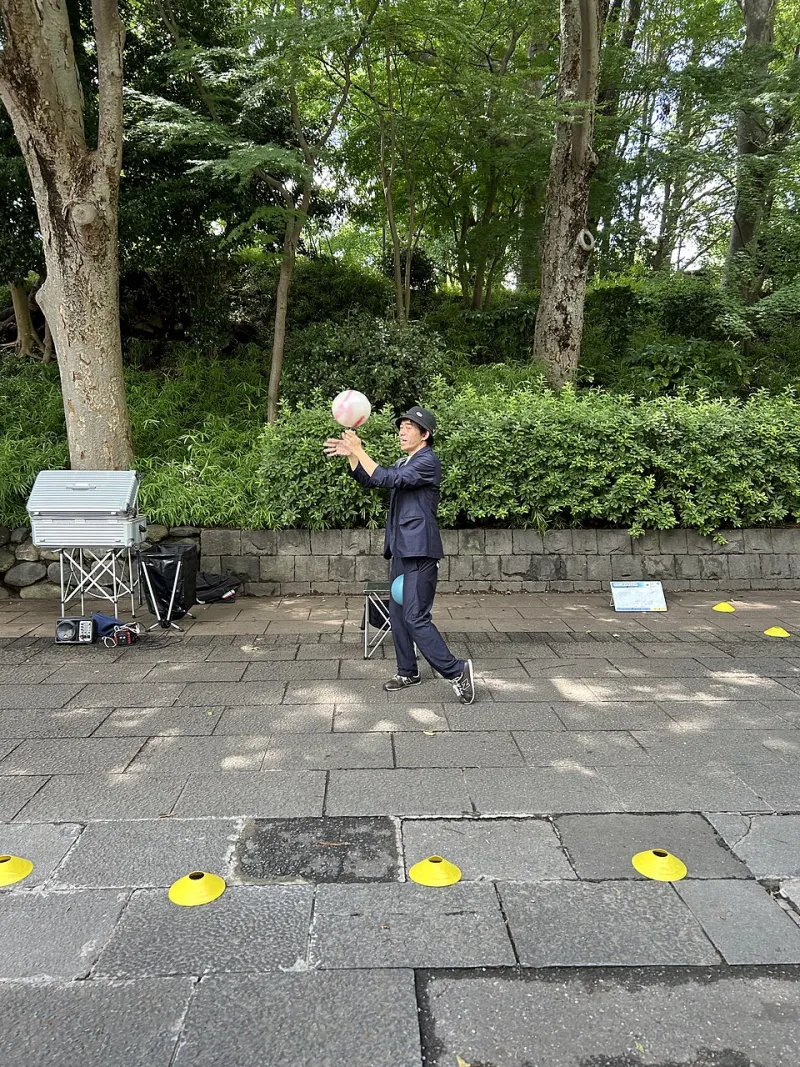
Photo: Sahaib, CC BY 4.0, via Wikimedia Commons
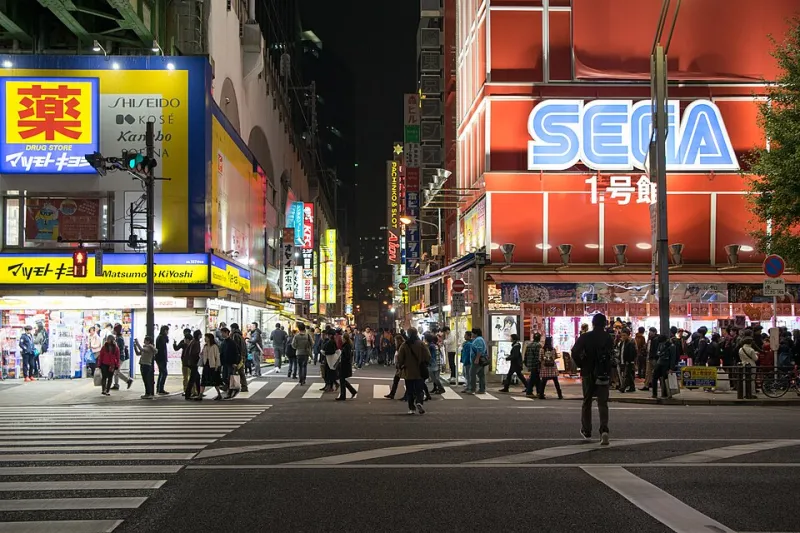
There's a moment that hits every American tourist in Shibuya. You round the corner off the scramble crossing, expecting another Instagram trap, and instead you find a five-piece dance unit performing synchronized routines in matching jackets, in front of a crowd of maybe 200 people — half of whom are holding penlights, half of whom clearly come every single weekend.
Nobody's passing a hat. Nobody's covering "Wonderwall." This is a production.
The Audition Is the Street
Here's what most Americans don't realize: a huge chunk of Japan's street performance scene — the "street performance" circuit, as fans call it — runs on auditions, scheduled slots, and in some districts, actual permits. Harajuku's Omotesando and pockets of Shibuya have long operated under informal but strictly enforced systems. You don't just show up. You apply. You get a slot. You lose the slot if the crowd control falls apart.
That sounds bureaucratic until you watch what it produces. Because when performers know they have 45 minutes and a spot that hundreds of others competed for, they rehearse like it's a showcase, not a sidewalk. Full choreography. Costume changes. Banter that's been workshopped. Some idol-adjacent groups treat the street as their legitimate debut venue — and labels do scout there.
Compare that to the American busker's reality: contest a corner with a tarot reader and a guy doing bubble art, keep one eye out for a business improvement district patrol, and pray the crowd tips in cash because half of them don't carry wallets. In New Orleans and Santa Monica's Third Street Promenade, some permit systems exist, but the prevailing vibe is tolerance, not investment. The street is where performance goes to survive, not where it goes to be born.
Yoyogi: The Original Open-Air Colosseum
The blueprint goes way back. On Sundays in Yoyogi Park, the rockabilly crews — greased pompadours, rolled jeans, portable amps — have been dancing circles around Tokyo since the 1970s. They don't pass a hat. They show up because the crowd shows up, week after week, decade after decade. It's closer to a pick-up game at the local court than a gig: the performance exists because the community does.
That reciprocity is the whole engine. Japanese street performance culture works because the audience treats it like an appointment. Fans bring signs. They learn the setlists. They follow groups from spot to spot like it's a touring circuit — because it is one. When a group announces a disbandment on the pavement, people cry. Real tears, on concrete, for a band that never played a ticketed venue.
What America's Sidewalks Are Missing
The easy take is that Americans tip worse or care less. That's lazy. The real difference is structural, and it's the same lesson American music venues keep learning the hard way: culture needs infrastructure.
Japan's scene has it in spades — designated performance zones, a social contract that regulars will show up, an audience pipeline of teens who discover their favorite acts on a Saturday and follow them for years. The street is a minor league with a functioning farm system. In the US, the street is often the last stop before giving up, a place you play because no one else will have you.
And that changes what gets made. When a Shibuya dance unit knows 200 regulars are watching, they write original material for that crowd. When an American busker knows the crowd is transient and the cops are circled, they play the safest covers at the safest volume. Nobody innovates under threat of a noise complaint.
The Fix Isn't Romantic, But It's Simple
American cities don't need to import cosplay cops or idol auditions. But imagine if even a handful of US cities treated street performance like the cultural asset it is — designated zones with real permits, sound-friendly hours, and a public that understood showing up weekly as participation, not loitering. Austin's buskers, Nashville's Lower Broadway hopefuls, the subway dancers of NYC — there's raw talent everywhere. What's missing is the respect architecture around it.
Until then, the videos will keep going viral. A Shibuya unit with laser-sharp choreography will rack up ten million views, some American commenter will type "why can't we have this," and the answer will be the same as it always is: because nobody here built the thing worth showing up for.
The performers are ready. The crowd, apparently, is the hard part.